
Skip to content

Infertility: when should you see a doctor and what to check?

1 min read

If you have been trying to conceive for one year without success, it is time to see a specialist. If you are over 35, when female fertility starts to decline, consider consulting after nine months. If you have irregular cycles or no periods, see your gynecologist before trying to conceive, as this may help diagnose an ovulation issue early.

What Does a Fertility Assessment Involve?

Fertility evaluation concerns both partners, even if one seems more likely to have a fertility issue. Both are systematically examined:

  • For women, tests assess ovarian function, uterine health, and Fallopian tube patency.
  • For men, the primary test is a semen analysis (spermogram) to evaluate sperm quality.

Regardless of the tests performed, they do not precisely predict natural fertility or success rates in assisted reproduction (ART/IVF). However, they help determine feasibility and guide the choice of the most appropriate fertility treatment.


General information, not a diagnosis: talk to your doctor about your own situation.

Share this article

Written by

  • Prof. Arash Rafii

    Professor of Obstetrics, Gynecology and Genetic Medicine

    Sidra Hospital

  • Prof. Michaël Grynberg

    Professor of Reproductive Medicine, Obstetrics and Gynecology

    Antoine Béclère and Jean Verdier University Hospitals

All articles
  • What tests are required before IVF?

    Before IVF, women usually have an ovarian reserve assessment, a check of the fallopian tubes and an evaluation of the uterine cavity, and men a semen analysis.

    1 min read

  • How does embryo transfer work?

    Embryo transfer is a critical step in IVF success, requiring close coordination between the fertility specialist and the embryologist.

    1 min read

Lena is on your phone in a minute.

Scan to get Lena
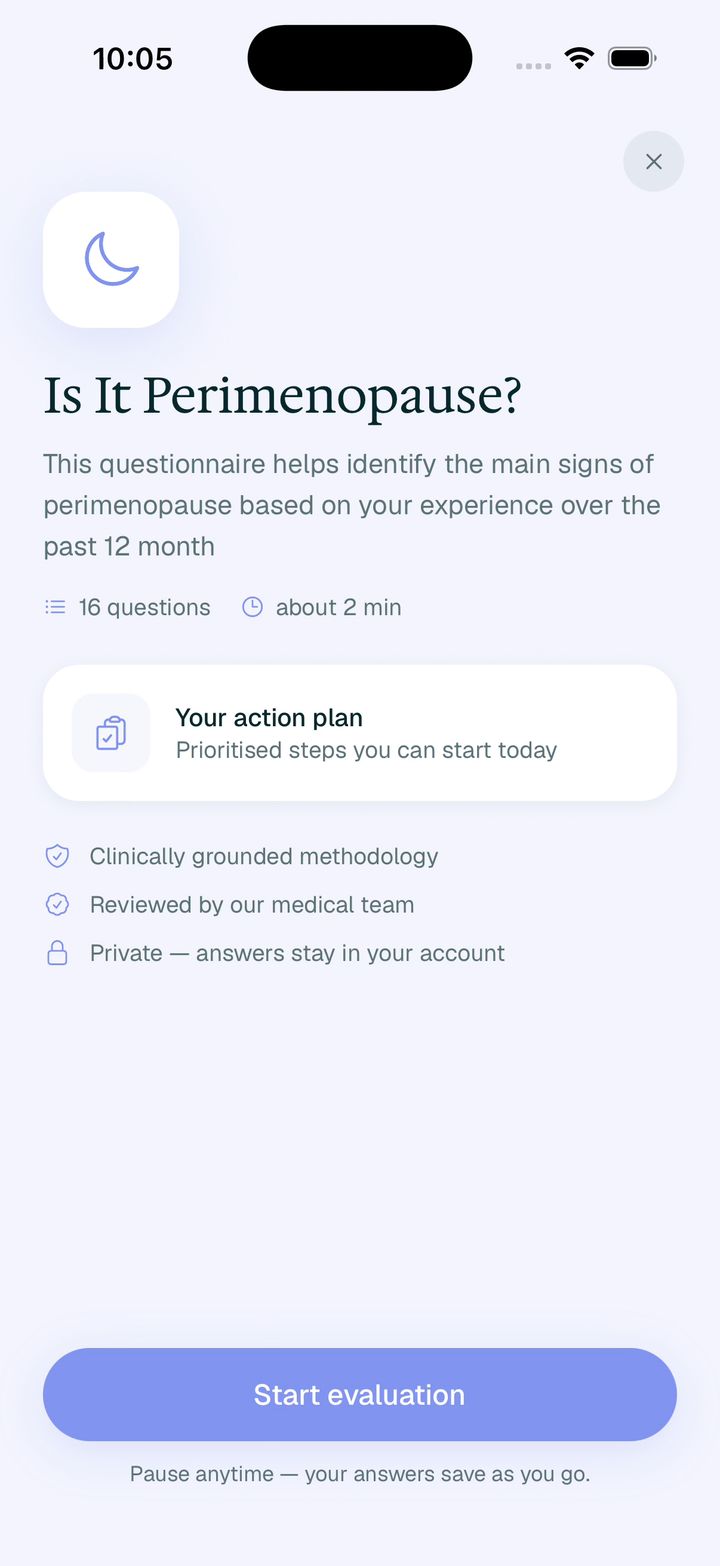
The perimenopause questionnaire in Lena: 16 questions, about two minutes, and an action plan at the end.